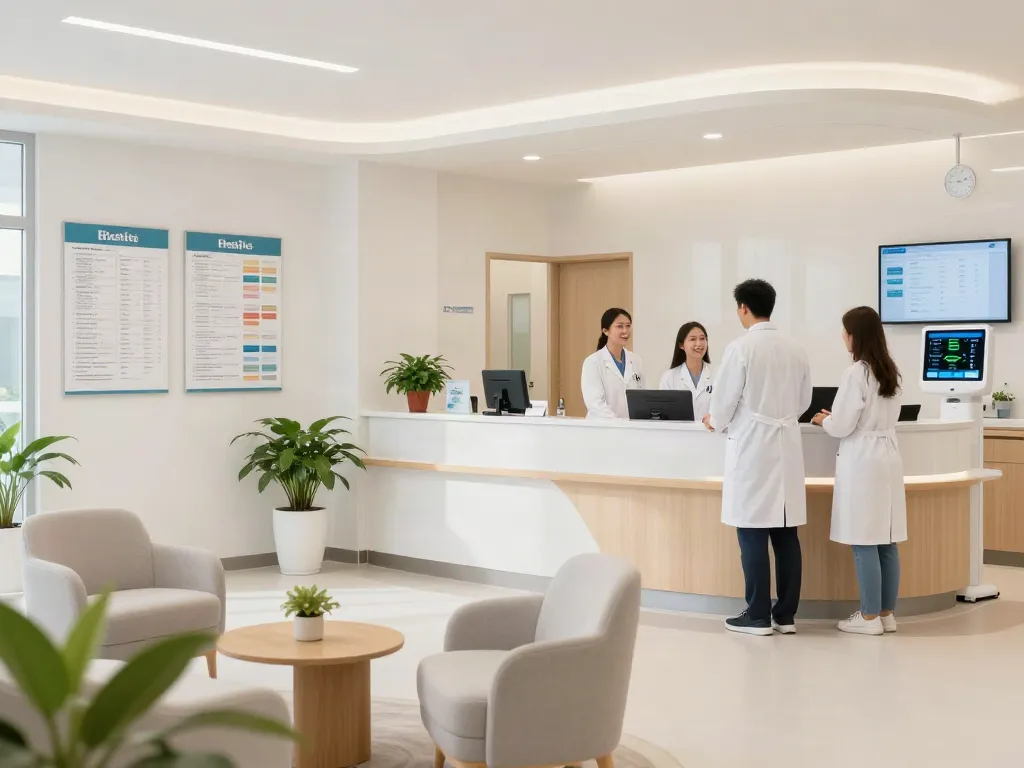
Understanding Comprehensive Medical Services Available
As healthcare continues to evolve, understanding the diverse range of medical services available to you is essential. From primary care to specialized services, knowing what options exist can empower you to make informed decisions about your health. When exploring options, situs togel provides comprehensive insights into local healthcare services, ensuring that you receive the best possible care.
Primary Care: Your First Step to Optimal Health
Primary care is the cornerstone of your healthcare journey. It is the first point of contact where patients receive a range of services aimed at maintaining health and preventing disease. Regular visits to your primary care provider (PCP) allow for the establishment of a relationship built on trust, where your healthcare needs can be closely monitored. Your PCP can manage chronic conditions, provide vaccinations, and refer you to specialists when necessary, ensuring a comprehensive approach to your health.
Specialty Care: When to See a Healthcare Expert
When your condition requires specific expertise, specialty care is vital. Specialty care includes a variety of medical fields such as cardiology, dermatology, orthopedics, and more. These healthcare experts have advanced training and knowledge to diagnose and treat complex health issues. Understanding when to seek specialty care can significantly impact the effectiveness of treatment, improve outcomes, and facilitate timely interventions.
Emergency and Urgent Care: Critical Services Explained
In case of medical emergencies, knowing where to go can save lives. Emergency care facilities are equipped to handle life-threatening situations, while urgent care centers serve patients with non-life-threatening conditions that require immediate attention. Familiarizing yourself with the services provided at these facilities and determining when to utilize them can alleviate stress during critical moments.
Patient Care: Best Practices and What to Expect
Patient care encompasses a range of practices focused on providing quality healthcare and ensuring that patients feel supported and informed throughout their treatment journey. A patient-centered approach means that care is tailored to individual needs and preferences, which can lead to better health outcomes.
Appointment Scheduling: Navigating Healthcare Access
Scheduling an appointment can often be daunting, especially in the face of busy schedules. Most clinics now offer multiple methods for booking appointments—online scheduling, phone calls, and even app-based bookings. Utilizing these tools can streamline the process, making it easier for you to receive timely healthcare.
Patient Rights: Understanding Your Healthcare Options
Patients have the right to make informed choices about their healthcare. Understanding your rights helps you advocate for yourself effectively. This includes knowing how to access your medical records, the right to receive information about treatment options, and the ability to participate in decisions concerning your care. Being informed empowers you to seek the best possible outcome in your healthcare journey.
Feedback Mechanisms: How to Voice Your Concerns
Feedback mechanisms are essential to improving healthcare services. Patients are encouraged to voice their concerns and experiences, which can help healthcare providers enhance the quality of care. Many healthcare facilities offer anonymous feedback forms or surveys to gather insights from patients. Actively participating in these processes contributes to creating a more responsive and patient-friendly environment.
Preventive Health and Wellness Screenings
Preventive health services are integral in maintaining health and early detection of potential health issues. These screenings are designed to identify diseases at an early stage when treatment is more likely to be successful.
Importance of Regular Check-ups: Stay Ahead of Your Health
Regular health check-ups are essential in monitoring existing conditions and detecting new health issues before they become serious. The frequency of these check-ups can depend on age, lifestyle, health history, and risk factors. Establishing a relationship with your healthcare provider during these visits enhances overall preventive care.
Common Screenings: What You Need to Know
Various health screenings can help facilitate early diagnosis and treatment of diseases. Common screenings include blood pressure checks, cholesterol levels, diabetes screening, and cancer screenings such as mammograms and colonoscopies. It's important to discuss with your healthcare provider which screenings are appropriate for you based on your individual health profile.
Vaccinations: Protecting Yourself and Your Community
Vaccinations are a critical aspect of public health, protecting not only individuals but entire communities by preventing the spread of infectious diseases. Staying up-to-date with vaccinations is vital, and discussing options with your healthcare provider can help ensure that you receive the best preventive care based on current guidelines.
Mental Health Awareness and Treatment Options
Mental health is just as crucial as physical health. Understanding the available resources can make a significant difference in the lives of those seeking mental health support.
Seeking Help: Understanding Mental Health Services
If you're experiencing emotional difficulties or mental health challenges, seeking help is a courageous and important step. Mental health services include counseling, therapy, medication management, and support groups. Accessing these services can be life-changing, helping individuals navigate and improve their mental wellness.
Teletherapy: The Convenience of Remote Counseling
Teletherapy has emerged as a powerful alternative to traditional in-person counseling, especially during the COVID-19 pandemic. It allows individuals to receive therapy from the comfort of their home using video calls or messaging applications. This flexibility can lower barriers to access for many, making mental health care more convenient and widely available.
Building Resilience: Strategies for Emotional Wellbeing
Building emotional resilience is essential for coping with life's challenges effectively. Strategies such as mindfulness, stress management techniques, and engaging in supportive social networks can enhance emotional well-being and promote personal growth. Investing in mental health is crucial for overall quality of life.
Innovations in Digital Health and Telemedicine
The integration of digital health technologies has transformed how healthcare is delivered. These innovations are paving the way for improved patient care and accessibility to medical resources.
Utilizing Telemedicine: Accessing Care from Home
Telemedicine has made it possible to consult with healthcare providers remotely, significantly improving accessibility to care. With telemedicine, patients can schedule appointments, receive diagnoses, and even have prescriptions filled without needing to visit a healthcare facility. This can be especially beneficial for those with mobility challenges or in rural areas lacking sufficient medical services.
Health Apps: Leveraging Technology for Better Management
Health apps have become an invaluable tool for patients looking to manage their health. From tracking medication adherence to logging symptoms and setting reminders for appointments, these applications empower individuals to take an active role in their healthcare journeys.
Challenges and Solutions in Digital Health Adoption
While the rise of digital health offers numerous benefits, challenges such as technology accessibility, privacy concerns, and the digital divide must be addressed. Ongoing education and support will be critical to ensuring that all patients can reap the benefits of these innovations.
FAQs
What are the benefits of preventive health services?
Preventive health services, such as regular check-ups and screenings, can lead to early detection of health issues, which improves the chances of successful treatment and reduces healthcare costs over time.
How can I find a trusted primary care provider?
Finding a trusted primary care provider often depends on personal recommendations, online reviews, and checking credentials. It's essential to choose someone who aligns with your healthcare needs and whom you feel comfortable with.
What should I expect during a telemedicine appointment?
During a telemedicine appointment, you can expect a similar format to an in-person visit, where you discuss symptoms, medical history, and treatment options with your provider. Having a quiet, private space for the consultation can enhance the experience.